Quick Answers
Where is the best snorkelling?
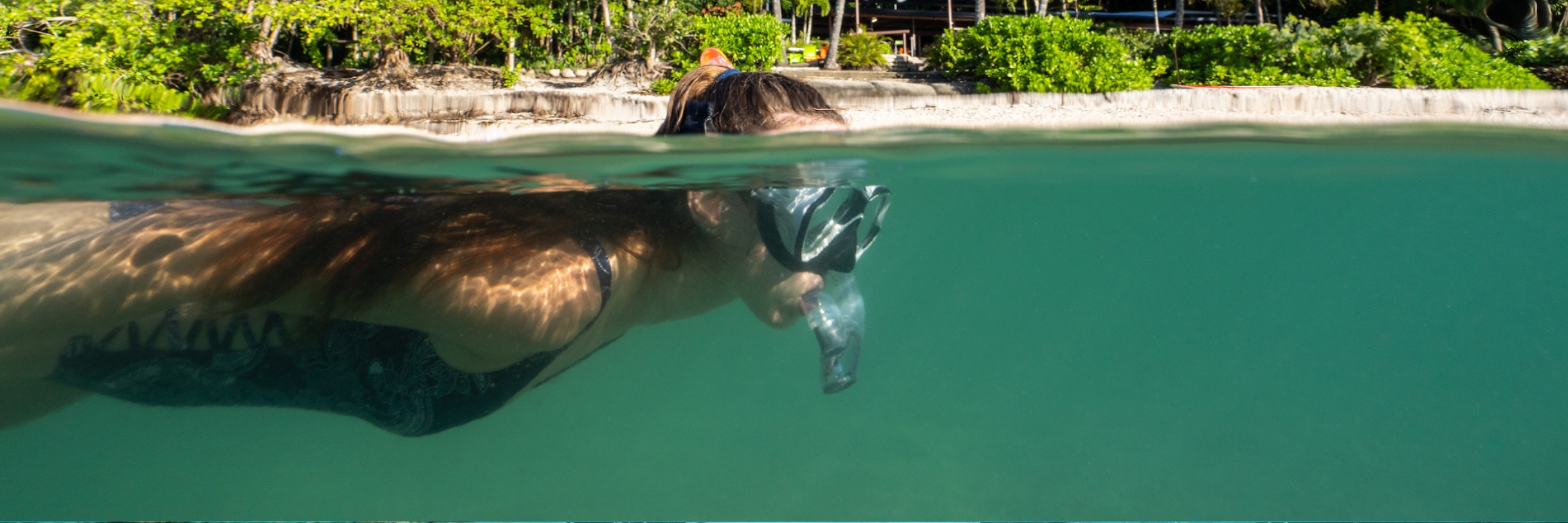
The main beach is easiest for beginners and families. Head south along the beach for more complex coral, or take the short rainforest walk to Nudey Beach.
Do I need a stinger suit?
From November to May, a rash vest or stinger suit is strongly recommended, as marine stingers can be present.
Can I hire gear or join a guided snorkel?
Yes. Gear can be hired from the beach shed at the resort, and guided snorkel tours leave from the beach.
“The reef at Fitzroy Island doesn’t make you swim for it. It meets you at the shore, patient and brilliant, and asks only that you show up.”
Plan Your Snorkelling Adventure: Everything You Need to Know Before You Enter the Water
Snorkelling at Fitzroy Island is one of the most accessible reef experiences in Far North Queensland — and one of the most rewarding. The fringing reef begins within metres of the main beach, the water is clear and calm in the lagoon, and the marine life is extraordinary for somewhere so close to the mainland. This guide will help you make the most of your time in the water.

Where to Snorkel
The main beach area offers easy entry and is ideal for beginners and families. For more complex coral structures and a greater diversity of fish life, head south along the beach towards the reef edge, or take the short rainforest walk to Nudey Beach (the resort says to allow about 45 minutes return), which consistently offers some of the best visibility and most intact coral gardens on the island.
What to Bring
If you have your own mask, snorkel, and fins, bring them — your own gear always fits better than hired equipment. Reef-safe sunscreen is essential (standard sunscreen is harmful to coral and is not appropriate in the Marine Park). A rash vest or stinger suit is strongly recommended from November to May during marine stinger season. Bring water, something to eat, and a dry bag for your valuables.
Snorkel Hire and Guided Tours
Snorkel equipment is available for hire from the beach shed at the resort. Guided snorkel tours also depart regularly from the beach and are an excellent option for first-timers or anyone who wants to understand what they’re seeing beneath the surface. A good guide transforms a snorkel from a swim into a genuine reef education.
A Hot Getaways destination. Where Care is Our Compass.
Frequently Asked Questions
Do I need to be a strong swimmer to snorkel at Fitzroy Island?
No. The calm, shallow lagoon off the main beach makes it accessible for beginners and families, and you can stay close to shore. If you are a nervous swimmer, a flotation device and snorkelling in calm conditions close to the beach are sensible. Always snorkel with a buddy and be aware of your limits.
When is the best time of day to snorkel at Fitzroy Island?
Snorkelling is usually best around high tide and in the calmer, clearer conditions that tend to occur earlier in the day before afternoon winds pick up. Conditions vary daily, so it is worth checking locally on arrival for the best time to head into the water.
Do I need a stinger suit at Fitzroy Island?
During the warmer months, roughly November to May, marine stingers can be present in North Queensland waters, and many snorkellers choose to wear a stinger suit as a precaution. Suits are often available to hire, and it is wise to check current local advice before entering the water.
Can I hire snorkelling gear on the island?
Yes. Snorkelling gear can be hired on the island, which is handy if you are visiting for the day and travelling light. You are also welcome to bring your own. Availability and pricing vary, so check on arrival.
Are guided snorkelling tours available?
Guided snorkelling options and reef tours run on the island and can help you find the best spots and marine life, especially if it is your first time. Tour times and availability vary by operator and season, so check current schedules when you arrive or when booking.
Travel Kindly
At Hot Getaways, care is our compass — and a little kindness makes every journey better. When you visit Fitzroy Island, we gently ask you to:
- Protect the reef — wear reef-safe sunscreen and never touch or stand on the coral.
- Respect the wildlife — admire turtles, birds and marine life from a distance, and take your rubbish home with you.
- Support local — choosing local operators and guides helps this beautiful place thrive.
- Honour Country — we visit on the traditional lands and sea Country of the Gunggandji people, and travel with gratitude and respect.
- Be kind to each other — a smile, a little patience and a helping hand make the island lovelier for everyone.
Small acts of care add up to something wonderful. Thank you for travelling kindly.